

Who Compensates Albanians for the Loss of Foreign Currencies?
This article was translated automatically from the Albanian original. 🇦🇱 Lexo në shqip
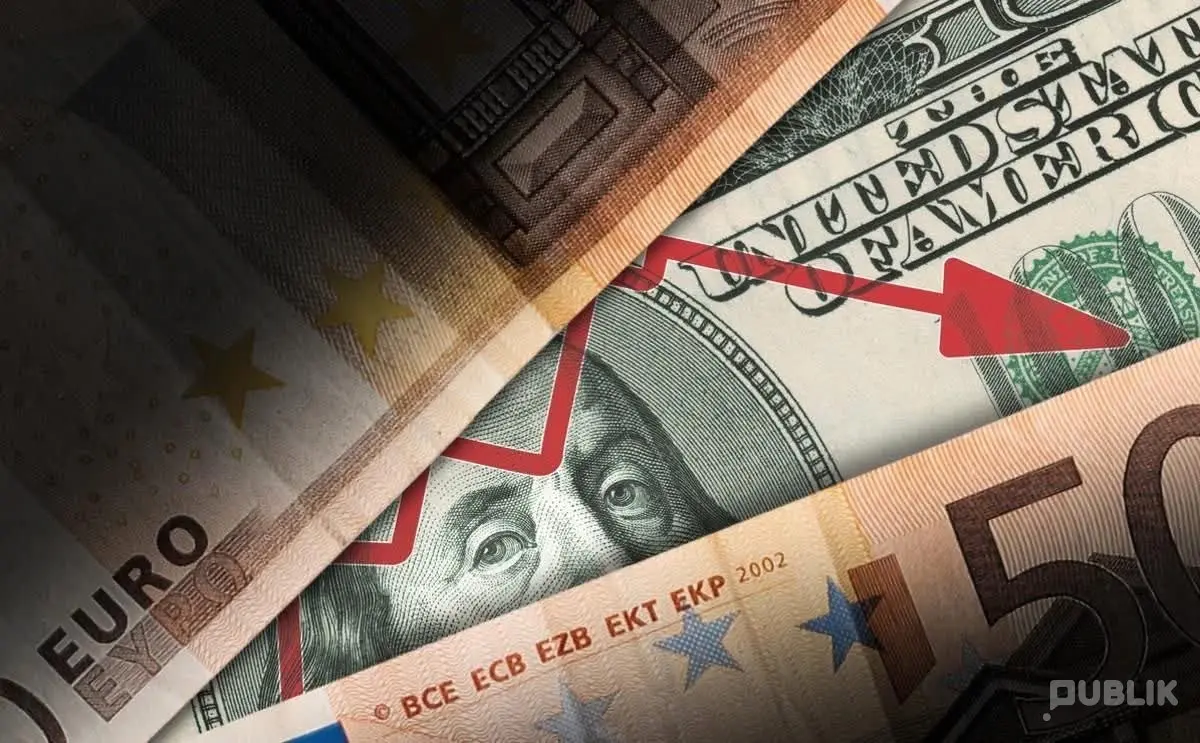
FISCAL PACKAGE 2027: ARE AMERICAN AND EUROPEAN INVESTMENTS IN ALBANIA AT RISK FROM THE DEPRECIATION OF THE DOLLAR AND THE EURO? The continuous depreciation of the US dollar and the euro against the lek is not merely a monetary issue, but a problem of competitiveness and potentially also of national economic security. An American or European entrepreneur, before investing in Albania, analyses the costs of investment, labour, production and return on capital. A strengthening lek raises the foreign-currency cost of expenses incurred in lek, risking making Albania less competitive compared with other countries in the region. In the context of the statement by the US ambassador on guaranteeing fair competition for American businesses, and of our aspiration to join the European Union, the question naturally arises: are we creating conditions to attract American and European capital, or are we risking discouraging new investment and making life harder for existing investors? American and European investments represent not only financial capital, but also technology, employment, Western standards and the strengthening of relations with our strategic partners. Weakening these investments could, in the longer term, also pose a risk to national economic security. But the depreciation of foreign currencies also has an important social dimension. Among the categories most affected are pensioners who are financially supported by their emigrant children. Although the latter continue to make sacrifices and send their parents the same amount in euros or dollars, their parents receive less and less in lek. The government indexes pensions and presents the 2027 budget as one of the most social and supportive budgets for business. But who indexes the losses of pensioners caused by the depreciation of the remittances from their emigrant children? Who compensates the losses of Albanian exporters, producers, tourism operators and businesses that earn in foreign currency and spend in lek? Have these economic, social and strategic consequences been analysed in drafting the 2027 fiscal package? Where are the concrete mechanisms for coping with them? What real value does the reduction of VAT on 60 basket products have, if the savings gained by Albanian families do not even compensate for the losses from the depreciation of remittances? A SOCIAL BUDGET SHOULD NOT BE MEASURED ONLY BY WHAT THE STATE GIVES TO CITIZENS AND BUSINESSES, BUT ALSO BY ITS CAPACITY TO PROTECT THEM FROM ECONOMIC LOSSES!