

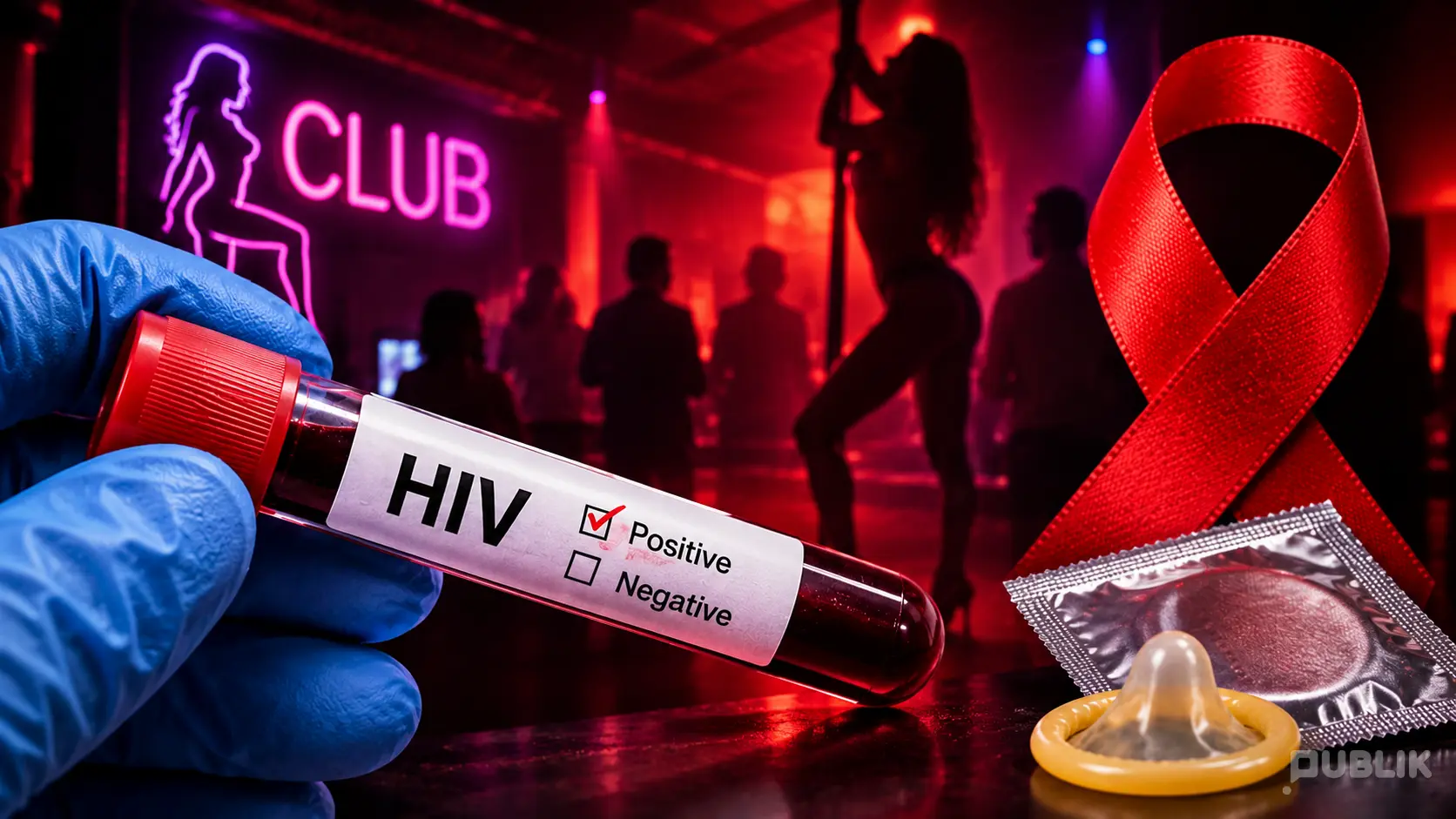
HIV Cases in Albania: 11 Diagnosed Monthly on Average
This article was translated automatically from the Albanian original. 🇦🇱 Lexo në shqip
The reported data on the spread of HIV in Albania are raising concerns about prevention, early diagnosis and public awareness. Over the past ten months, 113 new HIV cases have been recorded, which amounts to an average of about 11 diagnoses each month. According to figures made public by the Albanian Nurses Association (Shoqata e Infermierëve të Shqipërisë), 47 people were diagnosed at the AIDS stage, while 13 people died during this period. Another element that makes the situation even more worrying is the reporting of a case in which a mother gave birth to a child infected with HIV. This development brings renewed attention to the importance of medical check-ups during pregnancy, the timely identification of infection, and the proper follow-up of the mother and the infant. The Nurses Association has also raised questions about institutional transparency, calling for more information on the spread of the virus and the factors that may have influenced the reported figures. According to its response, the lack of complete data and of clear communication with the public makes it difficult to understand the real scale of the phenomenon, while information on new cases should be accompanied by concrete measures for prevention and testing.
Late diagnosis, another worrying problem
The fact that 47 people were identified at the AIDS stage shows how important it is to diagnose infection as early as possible. HIV infection may show no visible signs for a long period, so a person may not know they are infected without undergoing the relevant tests. For this reason, testing remains one of the main tools for identifying the virus early, starting treatment and avoiding complications that may appear as the infection progresses. Equally important is preventing transmission from mother to child. Check-ups during pregnancy and appropriate medical treatment can significantly reduce the risk of infecting the baby. However, HIV is no longer a diagnosis that necessarily means a short life. Modern antiretroviral treatments allow people living with the virus to have a long life and good quality of life. When treatment achieves and maintains an undetectable viral load, HIV is not transmitted through sexual contact. This principle is known as U=U (Undetectable = Untransmittable).
1 December renews attention to HIV and AIDS
The publication of this data comes just days before 1 December, World AIDS Day, a date aimed at raising awareness of HIV, fighting prejudice against affected people, and promoting testing and treatment. The reported figures for Albania raise several questions that require answers: how effective are prevention campaigns, how accessible is testing, and how many people may be living with HIV without knowing they are infected? Beyond the statistics, the challenge remains identifying cases in time, informing citizens and guaranteeing treatment for every person who needs it.